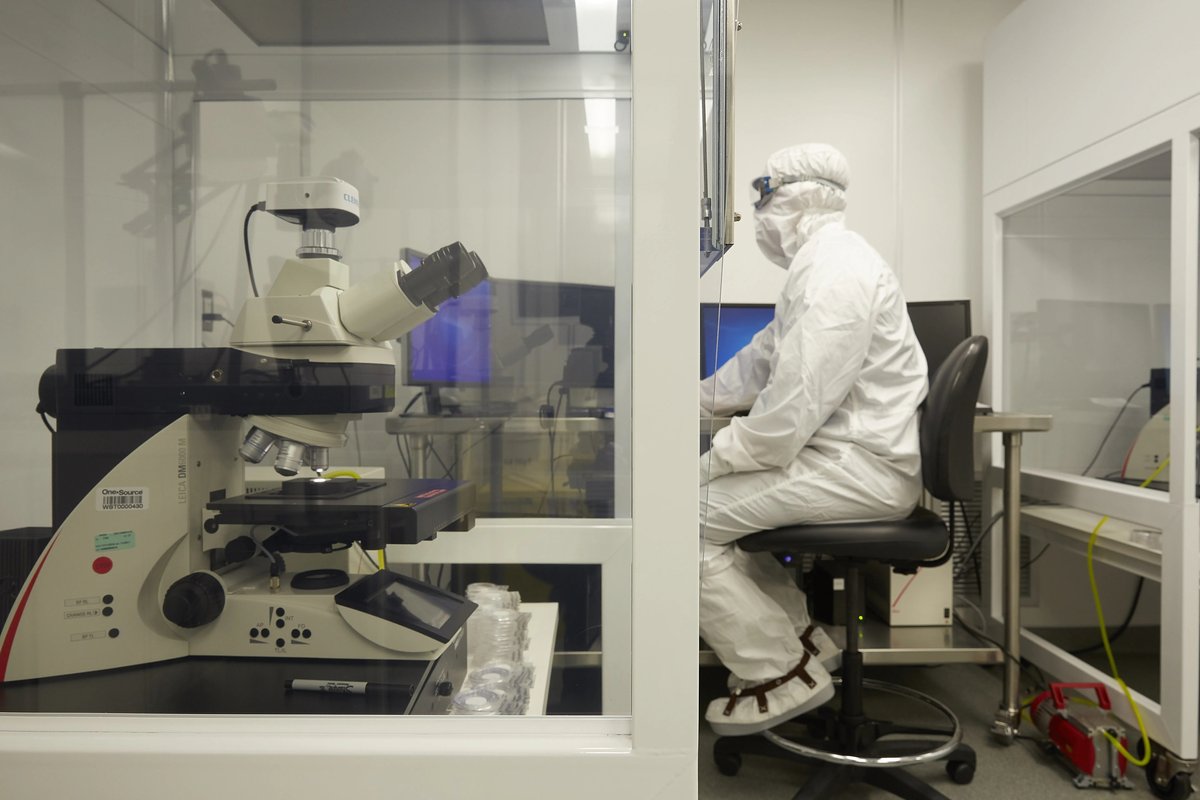
In the world of injectable medicines, there's little room for error. A tiny, unseen speck – what we call a particulate – can transform a life-saving drug into a potential patient hazard. Ensuring every vial, syringe, or bag is "essentially free" from these unwanted guests isn't just a best practice; it's a stringent regulatory mandate, forming a critical cornerstone of Regulatory Compliance for Injectable Particulate Limits. This isn't about ticking a single box; it's about weaving a comprehensive, risk-based control strategy throughout the entire product lifecycle, from development labs to the final visual inspection line.
It's a challenge that demands vigilance, sophisticated technology, and an unwavering commitment to patient safety, extending far beyond the basic requirements of compendial standards. You're not just aiming for compliance; you're building a fortress of quality around every dose.
At a Glance: Navigating Particulate Control
- Patient Safety First: Visible particulates are a significant clinical risk, varying based on their nature, quantity, and the patient receiving them.
- Beyond USP <790>: While essential, USP General Chapter <790> for visible particulates is merely one piece of the puzzle. Full adherence to current Good Manufacturing Practices (CGMP) under FDA’s Section 501 of the FD&C Act is non-negotiable.
- Holistic Approach: Effective control requires a strategy spanning product development, raw material scrutiny, manufacturing process controls, rigorous visual inspection, thorough investigations, and robust corrective and preventive actions (CAPA).
- 100% Inspection: Every single unit of injectable product must undergo a qualified 100% inspection, and any unit with visible particulates must be rejected.
- Risk-Based Thinking: Proactively identify, characterize, and mitigate particulate risks specific to your product and process during development.
- Continuous Improvement: Particulate control is an ongoing journey, demanding regular monitoring, operator training, and systematic improvement.
The Hidden Threat: Why Particulates in Injectables Demand Zero Tolerance
Imagine a patient receiving an injectable medication designed to heal, only for a foreign particle to be introduced directly into their bloodstream. The consequences can range from minor discomfort to severe adverse events: inflammation, thrombotic events, embolic occlusions, allergic reactions, or even immunogenicity in the case of protein aggregates. This isn't hyperbole; it's the clinical reality that underpins every regulatory standard for injectables.
Under Section 501 of the Federal Food, Drug, and Cosmetic (FD&C) Act, a drug product is unequivocally deemed adulterated if it's prepared or held under insanitary conditions, if its manufacturing methods don't conform to CGMP, or if its strength, quality, or purity falls below compendial standards. This legal framework makes controlling visible and sub-visible particulates not just a scientific endeavor, but a profound legal and ethical responsibility. It's why adherence to FDA’s CGMP requirements (detailed in 21 CFR parts 210, 211, 600.10-600.15, and part 4) is the bedrock of particulate control. Anything less jeopardizes both patient trust and regulatory standing.
Beyond the Basic Checkbox: Why USP <790> Isn't Enough
The United States Pharmacopeia (USP) General Chapter <1>, "Injections and Implanted Drug Products (Parenterals) – Product Quality Tests," clearly states that parenteral preparations must be "essentially free from visible particulates," as further defined in USP General Chapter <790>. This applies to all injectable products, whether they have a specific USP monograph or not. It's a fundamental expectation that every final container undergoes a 100% inspection using a qualified method, and any unit found with visible particulates must be rejected (§§ 211.160(b) and 211.110(c) and (d)).
However, simply meeting USP <790> acceptance criteria, while vital, does not automatically guarantee full CGMP compliance. CGMP extends far beyond the final inspection, encompassing a broader spectrum of manufacturing practices designed to ensure product purity, safety, and effectiveness from the very beginning. Think of USP <790> as the final line of defense, but CGMP as the entire defensive strategy that prevents the need for that last line to ever fail. Without a robust CGMP foundation, even the most meticulous final inspection can be overwhelmed by upstream failures.
The Anatomy of Contamination: Visible vs. Sub-Visible
Before we can control particulates, we must understand them. They generally fall into two categories:
- Visible Particulates: These are the ones you can see with the naked eye. They might be manufacturing residues, glass fragments from vials, fibers, rubber stopper particles, or other foreign materials. These are the primary focus of USP <790> and visual inspection.
- Sub-Visible Particulates: As the name suggests, these particles are too small to be seen without magnification. Common examples include protein aggregates (especially critical for biologics), smaller rubber or plastic particles, or precipitates formed by product degradation or interaction with container materials. While not directly covered by USP <790>, their control is equally critical under CGMP, often requiring analytical testing methods.
No matter their size, particulates don't magically appear. They originate from specific sources within your manufacturing ecosystem: - Raw Materials: Inadequately purified excipients, active pharmaceutical ingredients (APIs), or packaging components can introduce particulates.
- Manufacturing Equipment: Worn gaskets, abrading pump components, ineffective cleaning procedures, or improperly maintained machinery can shed particles.
- Environmental Factors: Dust, airborne particles, or inadequately controlled cleanroom environments are constant threats.
- Personnel: Human operators, despite gowning, can be a source of fibers, skin cells, or hair if procedures aren't rigorously followed.
- Container Closure Systems: The vial itself, stoppers, seals, and even needles can generate particles during manufacturing, handling, or administration. For instance, understanding vial puncture debris is crucial for managing this specific source.
Crafting a Fortress: A Holistic Particulate Control Strategy
Achieving robust Regulatory Compliance for Injectable Particulate Limits requires a proactive, integrated approach that touches every phase of your product's lifecycle. It’s a quality management system issue, not just a quality control problem.
1. Proactive Particulate Management in Product Development
The journey to particulate control begins long before a single vial is filled. During product development, manufacturers must:
- Conduct Comprehensive Risk Assessments: Identify potential particulate types, their sources, and the associated clinical risks. Consider the administration route (intravenous vs. subcutaneous), patient population (neonates vs. adults), and the specific nature of the particulate (size, shape, quantity, chemical reactivity, immunogenicity, infectivity, carcinogenicity). This informs your Quality Target Product Profile (QTPP) and control strategies.
- Characterize and Describe Particulates: Develop visual descriptions, and characterize the size, quantity, and composition of typical visible particulates. This is invaluable for training visual inspection operators later on.
- Evaluate Container Closure Systems: Assess potential interactions between the drug product and its primary packaging, considering extractables and leachables that could form precipitates, or physical interactions that generate particles.
2. Taming the Production Floor: Robust Manufacturing Process Controls
The manufacturing environment is where most particulates are introduced, making it a critical focus for control.
- Raw Material Vigilance: This is your first line of defense. Implement rigorous qualification programs for all suppliers and establish stringent incoming material inspections, including specific particulate testing where appropriate. Only accept materials that meet your strict quality specifications.
- Environmental Mastery: Maintain strict control over your manufacturing environment, particularly in classified cleanrooms required for sterile product manufacturing. Regular environmental monitoring for viable and non-viable particulates, stringent gowning procedures, and validated HVAC systems are non-negotiable elements.
- Equipment Excellence: Implement robust equipment maintenance schedules to prevent wear and tear that can generate particulates. Ensure cleaning procedures are validated and effective at removing residues. Consider single-use systems where feasible to reduce cleaning validation burdens and contamination risks. Applying aseptic manufacturing guidelines is paramount here.
- Water Quality and Endotoxin Control: Water used in injectable manufacturing is a major source of potential contamination. Implement rigorous water quality testing and purification systems. For endotoxin control, utilize Limulus Ameebocyte Lysate (LAL) testing and ensure robust filter validation.
- Process Parameter Control: Define and control critical process parameters that might contribute to particulate formation, such as mixing speeds, filtration pressures, and drying temperatures.
3. The Unblinking Eye: Mastering Visual Inspection
Despite all upstream controls, a final, meticulous inspection is essential. This is where the "essentially free" standard is verified for visible particulates. A robust visual inspection program is a non-negotiable component of Regulatory Compliance for Injectable Particulate Limits.
- 100% Inspection Mandate: Every single unit of product must undergo a 100% visual inspection by a qualified method. Any unit found to contain visible particulates must be rejected. There is no acceptable level of visible particulate for release.
- Qualified Methods & Environments: The inspection process itself must be designed and qualified to maximize detectability and minimize variability. This includes:
- Adequate Lighting: Standardized lighting conditions (e.g., specific lux levels, diffuse light sources) and appropriate viewing angles are critical.
- Controlled Environment: The physical inspection environment must minimize external distractions and extraneous light, optimizing conditions for operators or automated systems.
- Ergonomics: For manual inspection, ergonomic considerations are vital to prevent fatigue and maintain focus.
- Operator Training and Qualification: Human inspectors are only as good as their training. They must be extensively trained to identify various particulate types, understand acceptance/rejection criteria, and maintain focus over long periods. Regular requalification is essential to ensure consistent performance.
- Automated Inspection Technology: Advanced automated visual inspection (AVI) systems can offer high throughput and objective, consistent detection of particulates. While automated visual inspection has significant advantages, these systems still require thorough qualification, validation, and regular maintenance. Often, a combination of automated and manual inspection offers the most robust control.
- Investigation and CAPA: Any detected visible particulate, even those caught during 100% inspection, warrants investigation. This includes thorough root cause analysis to understand why the particulate formed or entered the product, followed by effective corrective and preventive actions (CAPA) to prevent recurrence.
4. The Final Seal: Container Closure Integrity (CCI) Testing
Ensuring the integrity of the container closure system is paramount for preventing ingress of microbial contaminants and environmental particulates after filling and sealing.
- Proactive Design: CCI should be considered during the selection and design of packaging components, understanding how they interact with the drug product and the manufacturing process.
- Testing Methodologies: Employ robust CCI testing techniques such as vacuum decay, pressure decay, helium leak detection, or high-voltage leak detection (HVLD). The choice depends on the container type and product characteristics.
- Regular Protocols: Establish regular CCI testing protocols at critical stages of production, especially after sealing, and during stability studies to ensure long-term integrity.
- Documentation and Action: Maintain rigorous documentation of all CCI test results and, crucially, any investigations and corrective actions taken in response to integrity failures.
The Unseen Battle: Addressing Sub-Visible Particulates
While visible particulates are rejected outright, sub-visible particulates pose their own challenges. For many injectables, particularly biologics, protein aggregates are a significant concern for immunogenicity.
- Analytical Testing Methods: Beyond visual inspection, specific analytical methods are used to quantify and characterize sub-visible particulates:
- Light Obscuration (LO): A laser-based technique commonly used for routine counting of particles in specific size ranges (e.g., >10 µm and >25 µm, as per USP <788>).
- Microscopy: Provides more detailed analysis for identification, morphology, and origin of particulates, often used in conjunction with LO for investigations.
- Risk Mitigation: Control strategies for sub-visible particulates often involve careful formulation development (e.g., stabilizers, pH control), gentle handling during manufacturing, and specific filtration steps.
Your Regulatory Compass: Key Frameworks and Guidance
Navigating the regulatory landscape for particulate control can feel complex, but several key frameworks provide clear direction:
- 21 CFR Part 211 (Current Good Manufacturing Practice for Finished Pharmaceuticals): This is the overarching framework. It dictates requirements for facilities, equipment, personnel, production and process controls, laboratory controls, and recordkeeping – all of which directly impact particulate control.
- 21 CFR Part 210 and 211: Provide the foundational framework for sterile product manufacture, emphasizing cleanliness, sterility assurance, and prevention of contamination.
- 21 CFR Part 610 (Biological Products: General Standards): Focuses on the safety, purity, and potency of biological products, including specific considerations for particulate control unique to biologics.
- FDA Guidance for Industry: Specific guidance documents, such as those on Container Closure Systems for Packaging Human Drugs and Biologics, offer detailed recommendations.
- ICH Guidelines: International Council for Harmonisation (ICH) guidelines, particularly Q7 (Good Manufacturing Practice Guide for Active Pharmaceutical Ingredients), Q8 (Pharmaceutical Development), Q9 (Quality Risk Management), and Q10 (Pharmaceutical Quality System), provide globally harmonized principles that support a robust particulate control program. Implementing quality risk management principles is foundational for meeting these guidelines.
Charting Your Course: An Actionable Path to Compliance
Achieving and maintaining Regulatory Compliance for Injectable Particulate Limits isn't a destination; it's a continuous journey of improvement. Here’s how to ensure your program remains robust and compliant:
- Assess Your Current State: Conduct a thorough gap analysis of your existing particulate control strategies against current CGMP regulations, USP standards, and relevant FDA/ICH guidance. Identify areas of weakness and non-compliance.
- Elevate Risk Management: Embed a strong, documented quality risk management process into every phase of your product lifecycle. Proactively identify, evaluate, and control particulate risks, and use these assessments to justify your control strategy.
- Invest in People and Technology: Prioritize comprehensive training and requalification programs for all personnel involved in particulate-sensitive operations and visual inspection. Simultaneously, evaluate and invest in advanced manufacturing technologies and automated inspection systems that enhance detection and prevention.
- Strengthen Your Quality Management System: Ensure your overall pharmaceutical quality system provides robust oversight for particulate control, including clear procedures, effective change control, thorough deviation investigations, and a proactive CAPA system. Regularly review your QMS effectiveness in preventing and detecting particulates.
- Stay Informed and Adapt: The regulatory landscape evolves. Regularly monitor updates from regulatory bodies (FDA, EMA, WHO) and compendial authorities (USP, EP, JP). Be prepared to adapt your control strategies and procedures to new guidance and best practices.
Controlling visible and sub-visible particulates in injectable drug products is a multifaceted process demanding strict adherence to regulatory guidelines and robust quality management practices. By adopting a holistic, risk-based approach, you not only ensure compliance but, more importantly, safeguard patient health and uphold the integrity of life-saving medicines.