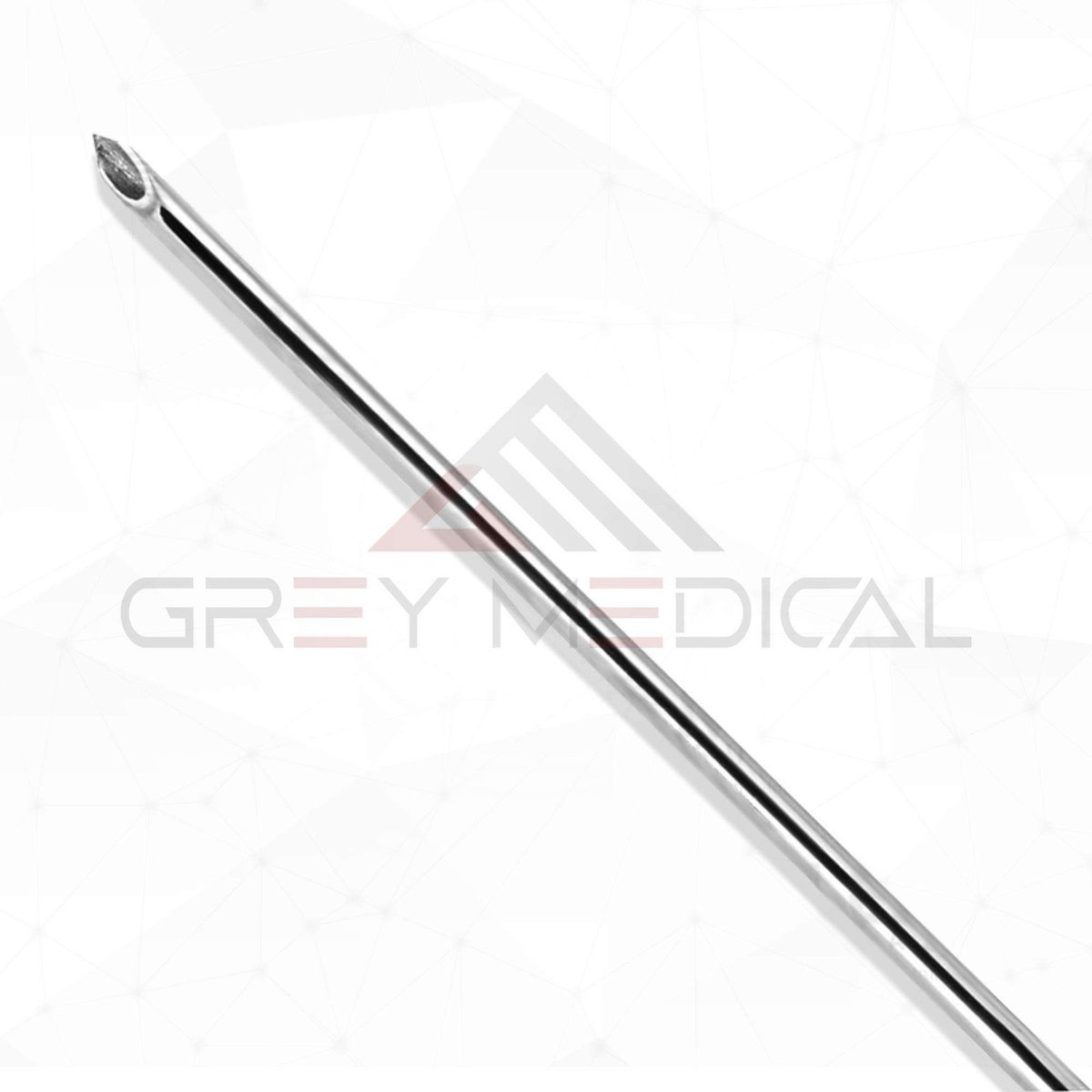
Every time a needle pierces a vial septum, whether in a laboratory for precise analytical work or in a clinical setting to prepare life-saving medication, a silent risk emerges: the generation of particulate debris. This seemingly minor event can have significant consequences, from compromising scientific data to endangering patient health. Understanding and mitigating "vial septum needle puncture debris generation" isn't just about technical precision; it's about ensuring safety, accuracy, and trust in critical applications.
This flagship guide will navigate the complex world of coring and particulate contamination, offering clear, actionable insights for both laboratory professionals and healthcare providers. We’ll break down the science, explore the dangers, and empower you with the knowledge to minimize these risks.
Understanding the Hidden Threat: What is Coring and Debris Generation?
At its core, "coring" refers to the undesirable phenomenon where a needle, upon insertion, punches out a small piece of the septum or stopper material. This "core" or fragment then detaches, becoming a contaminant. While the fundamental act is similar, the implications vary depending on the context:
- In Gas Chromatography (GC): Here, coring typically involves the GC syringe needle punching a plug out of the septum. These fragments can then fall into the injection port, leading to serious analytical issues.
- In Medication Vials: This occurs when a piece of the flexible stopper detaches during needle insertion. This fragment can contaminate the medication itself, creating a direct path for stopper particles to enter a patient's bloodstream.
The generation of this debris, whether microscopic or visible, poses a critical challenge, demanding our full attention to maintain integrity and safety.
The Unseen Dangers: Why Puncture Debris Matters
The presence of coring and particulate debris isn't merely an inconvenience; it carries substantial risks across different fields. For analytical chemists, it can invalidate weeks of work. For healthcare providers, it can directly harm patients.
In Gas Chromatography, septum coring leads to a cascade of analytical problems. You might observe poor peak shape, shifting retention times, irregular sample loss, and even carry-over between injections, all of which compromise the reliability and reproducibility of your data. The integrity of your scientific findings hinges on preventing such contamination.
More critically, in medication vials, the risks are profoundly human. The injection of stopper fragments into patients poses a significant safety hazard. These foreign bodies can lead to adverse events ranging from local irritation to more severe systemic reactions, including emboli or infection. Protecting patient well-being is paramount, and understanding these dangers is the first step. To delve deeper into these serious implications, we encourage you to explore the Patient Safety Risks from Particulate.
Deconstructing the Problem: Why Coring Occurs
Coring isn't random; it's often the result of a combination of factors related to the needle, the septum material, and the technique used. By understanding these root causes, we can develop more effective prevention strategies.
One of the most significant culprits is the condition of the needle. Dull, bent, or damaged needles are far more prone to coring. Instead of a clean, precise cut, a blunt needle tears and pushes the material, increasing the likelihood of a fragment detaching. This is particularly true for medication vials, where blunt needles are identified as the highest risk factor.
Excessive needle force is another common contributor. Forcibly pushing the needle through the septum or stopper, rather than employing a smooth, gentle puncture, introduces unnecessary stress on the material. The material composition of the septum or stopper itself also plays a critical role; some materials, like pure PTFE, are inherently more susceptible to coring than others, such as silicone-based stoppers. Finally, the age and reuse of a septum or stopper will degrade its integrity over time, making it increasingly vulnerable to coring with repeated punctures. For a comprehensive breakdown of these underlying factors, we invite you to investigate the Mechanisms of Vial Coring and and how they contribute to debris formation.
Your Proactive Shield: Strategies for Prevention
Preventing coring and debris generation requires a multi-faceted approach, integrating careful equipment selection, refined technique, and diligent monitoring. These actionable insights empower you to reduce risks significantly.
1. Mastering Needle Management
The needle is your primary tool, and its condition is paramount.
- Maintain Sharpness: Always keep syringe needles sharp and in excellent condition. Before use, visually inspect for any scratches, bends, or dulling. Replace needles as required, never attempting to force a dull needle through a septum.
- Avoid Blunt Needles: For medication vials, completely avoid blunt needles. Always opt for sharp, high-quality needles, ideally those designed with needle guard protection for added safety.
- Consider Gauge: Where clinically appropriate, prefer smaller gauge needles for medication vials. For instance, using a 21-gauge needle instead of an 18-gauge can reduce the risk of coring while still allowing for effective aspiration or injection. To understand how needle design impacts puncture quality and explore the latest advancements, you should Explore needle design innovations. Discover aseptic techniques that minimize debris.
2. Perfecting Puncture Technique
How you insert the needle is just as critical as the needle's quality.
- Gentle and Smooth Motion: Employ a smooth, gentle, yet decisive motion to puncture the septum or stopper. Avoid any forceful pushing or "stabbing" actions.
- Complete Insertion (GC): For GC applications, ensure the needle is completely inserted through the septum to the required depth, preventing any partial punctures that might tear the material.
- Single Puncture (Medication Vials): For medication vials, limit punctures to one per administration whenever possible to preserve the stopper's integrity.
- Optimizing Angle: The angle of entry for medication vials can be beneficial. While specific recommendations (e.g., 45-60 degrees) can be inconsistent, an angle that creates the least resistance with a sharp needle is generally desirable. To refine your approach and implement best practices, Learn standardized debris prevention techniques that minimize debris generation.
3. Smart Septum and Stopper Selection
The material science behind septa and stoppers has evolved to counter coring.
- Coring-Resistant Materials: Utilize septum materials specifically engineered for enhanced resistance to coring. Look for options like silicone rubbers or PTFE-coated silicone, which possess "self-healing" properties, allowing the material to reseal more effectively after puncture.
- Regular Replacement (GC): GC septa degrade with repeated use. Replace them frequently, typically every 50-100 injections, or as recommended by the manufacturer, to maintain optimal performance and prevent coring.
- Specialized Designs: Consider specialized septum designs that incorporate features such as pre-drilled guide holes or advanced self-healing surface coatings, which can further minimize debris. To gain a deeper understanding of how material choice impacts performance and safety, explore Septum Material Science for Reduced and discover the innovations driving cleaner punctures.
- Manufacturer Guidelines: For medication vials, always consult and strictly follow the manufacturer’s package insert for specific recommendations on accessing the vial, as stopper materials and designs can vary.
4. Vigilant Monitoring and Reporting
Even with the best preventive measures, vigilance is key.
- Regular Inspections (GC): Routinely review used GC septa (both before and after injections) for any signs of coring, tears, or general degradation.
- Macroscopic Inspection (Medication Vials): After drawing medication, always inspect the vial for any macroscopic coring. If suspected or visible, do not administer the medication. Secure the affected vial and the drawn medication, then immediately contact pharmacy for assistance with reporting the incident and returning affected vials to the manufacturer. Crucially, report instances of coring directly to organizations like ISMP (Institute for Safe Medication Practices) to contribute to broader safety improvements.
Beyond Coring: Enhancing GC Injection Reproducibility
While coring prevention is paramount, achieving consistent and reliable GC results also involves other best practices that contribute to overall injection reproducibility.
- Consistent Injection Volumes: Ensure the exact same sample volume is injected each time. Utilizing an autosampler is highly recommended for unparalleled precision compared to manual delivery.
- Monitor Injection Port Temperatures: Verify that the GC injection port consistently maintains the desired temperature. Fluctuations can lead to variable sample vaporization and dispersion, impacting results.
- Optimize Sample Preparation: Proper dilution, filtration, and handling of samples are crucial. Minimizing variability at this stage directly translates to more reliable injection outcomes.
- Standard Maintenance: Stay current with all routine GC system maintenance. This includes not just septum replacement, but also liner cleaning and column trimming, to eliminate potential sources of injection inconsistency and ensure peak system performance.
A Commitment to Precision and Safety
The act of piercing a vial septum is a routine procedure, but its precision holds significant weight. By actively addressing the generation of particulate debris and the risks of coring, we don't just improve analytical accuracy; we safeguard patient health. This isn't merely a technical challenge; it's a commitment to excellence and a human-first approach in every laboratory and clinical setting. Embrace these strategies, delve into the supporting pillars, and contribute to a safer, more reliable future.